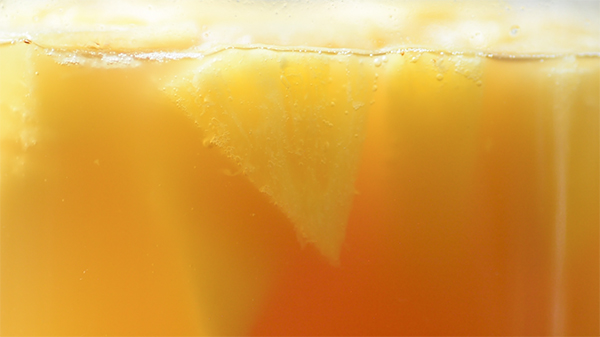
天然新鮮鳳梨釀好酒 Homemade Pineapple Wine
[:hk]

你的關注給我最大的鼓勵,訂閱肥丁 YouTube 頻道
自然的果實發酵,就生成自然酒,營造適合發酵的環境,是釀酒的關鍵。每種水果都有最適合的釀造法。鳳梨酒最重要是保留鳳梨香,這個方法是我實驗幾次後,到現在為止,獲得最好鳳梨果酒風味的做法,不同品種的鳳梨會產生不同的風味,一起來體驗釀造酒的樂趣。

巿場上的水果酒酵母,是透過科學的方法,從天然的酵母,以高科技分離純化出具有釀酒特性的菌珠,大幅提升發酵的穩定性,减少污染的機率,增加釀酒安全性。水果本身雖然有野生酵母,但水果天然發酵很多不穩定因素,釀酒酵母,創造酵母菌為優勢菌種的環境,提升釀酒的成功率
材料
- 水果酒酵母 1/4 小匙
- Demerara 原蔗糖 1/4 小匙
- 37C 溫水 50 ml

- 鮮榨鳳梨汁 800 ml
- 蜂蜜 120 g
- 檸檬汁 45 g (台灣鳳梨糖度較高,可加入檸檬汁調酸,菲律賓鳳梨較酸可以省略)
- Demerara 原蔗糖 130 g (補糖)
- 新鮮鳳梨 300 g
做法
1. 開始釀酒前,所有容器、器具都先進行清潔,然後消毒,做法參考「清潔與消毒」的影片
2. 鳳梨選飽滿、沉重,果目大而凸顯,切去鳳梨頂上的葉,切去鳳梨頂和底部的皮,從上而下一段段切去側皮,沿釘子排列的方向,輕輕剔除釘子,從頂部向下切開
3. 切成 4 份,切去頭尾硬的部份,削下硬芯,切丁,鳳梨芯是鳳梨酵素最多的部份,切丁
4. 放入棉布袋裡,榨出鳳梨汁,含有豐富果膠及纖維的水果,其果肉經過酵母分解 成為果泥,會使酒變得混濁,增加過濾與澄清的難度,發酵後期的過濾過程,也會增加污染的機會 ,盡量把果汁的壓榨出來

5. 餘下的鳳梨果肉,可製作果醬或炒鳳梨餡
6. 37°C 溫水,加入水果酒酵母和 Demerara 原蔗糖,激活水果酒酵母,攪拌至完全溶化,室溫靜置 30 分鐘,酵母吸取足夠的水份和糖,重新啟動它們的新陳代謝
7. 表面浮起細細的泡沫,表示酵母蘇醒活化,快鏡看看酵母的活力,用糖度計測量鳳梨的糖度,讀數並非實質的含糖量,但可大約預測完成後的酒精度,並透過讀數的變化,找出發酵的終點,測出糖度 12 BRIX

8. 取消毒好的玻璃瓶,倒入鳳梨汁,檸檬汁(如有需要)。糖度太低導致酒精度低,容易遭污染或空氣落菌變質,蜂蜜,掌握如何補糖以提升酒精度,是釀酒的關鍵因素,釀酒酵母液體,用乾淨消毒過的湯匙攪拌均勻,加糖之後再測一次,BRIX 23 度
9. 放上膠墊蓋好,記錄製作日期,發酵室溫 25 ~ 29°C
第 2 天
10. 第 1~3 天酵母菌非常活躍,明顯看到表面形成一層氣泡,按下膠墊排氣,不要打開瓶蓋
第 3 天
11. 酒精在發酵 7~11 天形成,這時候氣體最多,每天排氣可多做幾次
第 4 天
12. 開始有沉澱物在瓶底,這是正常現象
第 30 天
13. 測出糖度 7.5 BRIX,BRIX 下降,表示糖被酵母順利分解,酒精已經形成,液體有酒味,換瓶,過濾沉澱物,水果的酸及其他營養成份,溫度濕度等外在環境,也會影響最終的酒精度,度數只能作為參考
14. 取出鳳梨酒,放入窄口消毒過的玻璃瓶,不用抽取沉澱物

第 2 次調糖
15. 加入DEMERARA 原蔗糖,純果汁釀造的好處是過濾簡單,但是水果味淡薄,加入新鮮鳳梨丁,補糖提高滲透壓,使水果成份溶出,增加酒液的鳳梨香味,加糖之後測一次,BRIX 15 度,蓋好進行二次發酵,每幾天搖晃一下,觀察鳳梨丁的浮動狀態
第 40 天
16. 這方法是實驗幾次後,獲得最好鳳梨酒果香風味的做法,酒精有殺菌能力,當酒精濃度慢慢上升,微生物也會被抑制而減慢活動,二次發酵時,氣泡數量和活力明顯減弱

第 90 天
17. 部份鳳梨開始下沉,果酒發酵已到達尾聲,測一次 BRIX 度,BRIX 9 度,高糖帶來滲透壓影響,酒精抑制酵母活動,再加糖酒精也沒法提升,把酒液轉換到消毒的窄口瓶,減少酒液接觸空氣的面積,延緩氧化

18. 進行巴斯德殺菌法,鍋裡加入熱水,加熱至 70°C,轉至小火維持溫度,放入果酒瓶,瓶蓋微微鬆開,加熱 20 分鐘,待酒與鍋裡的水溫度相約,若鍋裡水溫過高,加入冷水,水溫保持在 70°C,熄火,鎖緊瓶蓋,在熱水裡靜置 10 分鐘,取出放涼,釀酒液靜置,沉澱物沉於瓶底,就可以飲用
19. 鳳梨酒放在冰箱裡保存,可緩減氧化的速度,保持漂亮的金黄色,加冰和薄荷,口感清爽
20. 醋是質變、酸化的酒,下一期分享,如何用鳳梨酒製作鳳梨醋[:en]
✅ 你的關注給我最大的鼓勵,訂閱肥丁 YouTube 頻道 https://goo.gl/rBq3rJ
✅ 關注 B 站 https://space.bilibili.com/11725121
Natural fruit fermentation creates natural wine, and creating a suitable environment for fermentation is key to winemaking. Each fruit has its own optimal brewing method. Preserving the pineapple aroma is crucial in making pineapple wine. Through several experiments, I have discovered the best method to achieve the most flavorful pineapple wine. Different varieties of pineapples will produce distinct flavors. Let’s embark on the journey of wine brewing and experience the joy it brings.
The fruit wine yeast available in the market is obtained through scientific methods. It involves isolating and purifying yeast strains with brewing characteristics from natural yeasts using advanced technology. This significantly improves fermentation stability, reduces the likelihood of contamination, and enhances the safety of winemaking. Although fruits naturally have wild yeast, the natural fermentation process of fruits involves many unstable factors. Brewing yeast creates an environment where yeast strains dominate, thus increasing the success rate of winemaking.
Ingredients:
- 1/4 tsp Fruit wine yeast
- 1/4 tsp Demerara cane sugar
- 50 ml warm water at 37°C
- 800 ml Freshly squeezed pineapple juice
- 120 g Honey
- 45 g Lemon juice
- 130 g Demerara Raw cane sugar (for sweetening)
- 300 g Fresh pineapple
Instruction
- Before starting the winemaking process, ensure that all containers and utensils are cleaned and then sterilized. You can refer to a video on “Cleaning and Sterilization” for the process.
- Select a ripe and heavy pineapple with large prominent eyes. Remove the leaves from the top of the pineapple and peel off the skin from the top and bottom. Cut the remaining skin off in sections, following the direction of the eyes. Gently remove any remaining eyes by cutting along the rows of eyes.
- Cut the pineapple into quarters and remove the tough parts at the ends. Remove the core and dice the pineapple. The core contains a high amount of pineapple enzymes, so make sure to dice it as well.
- Place the diced pineapple in a cotton cloth bag and extract the pineapple juice. Fruits that contain abundant pectin and fiber, like pineapple, can result in a cloudy wine with pulp that is difficult to filter and clarify. Additionally, the filtering process during the later stages of fermentation can increase the risk of contamination. Therefore, try to extract as much juice as possible, minimizing the presence of pulp.
5. The remaining pineapple pulp can be used to make fruit jam or stir-fried pineapple filling.
- In 50 ml of warm water at 37°C, add the fruit wine yeast and Demerara cane sugar. Stir until fully dissolved. Let it sit at room temperature for 30 minutes. This process activates the fruit wine yeast, allowing them to absorb enough water and sugar to restart their metabolism.
- If fine bubbles start to form on the surface, it indicates that the yeast has become active. Take a closer look at the yeast’s vitality. Measure the sugar content of the pineapple using a refractometer. The reading does not represent the actual sugar content but can roughly predict the alcohol content after fermentation. By monitoring the changes in the readings, you can determine the endpoint of fermentation. Measure the sugar content, which should be around °BRIX 12.
8.Pour the pineapple juice into sterilized glass bottles. Low sugar content can result in low alcohol content, making the wine more susceptible to contamination or spoilage. Honey is key to increasing the alcohol content by adding additional sugar. Use a clean and sterilized spoon to stir the honey into the pineapple juice. After adding the honey, measure the sugar content again, which should be around °BRIX 23.
Seal the bottles with rubber caps and record the date of production. Ferment the bottles at a temperature between 25-29°C.
Day 2
10. During the first 1-3 days, the yeast will be very active, and you will notice the formation of a layer of bubbles on the surface. Press the rubber caps to release excess gas but do not open the bottle.
Day 3
11. Alcohol formation occurs between days 7-11 of fermentation, and this is when the gas production is at its highest. Release excess gas from the bottles multiple times a day.
Day 4
12. Sediment will start to form at the bottom of the bottles, and this is a normal occurrence during fermentation.
Continue to monitor the fermentation process and follow appropriate steps for clarification, aging, and bottling based on your desired outcome.
Day 30
- Measure the sugar content again, which should now be around °BRIX 7.5. The decrease in °BRIX indicates that the yeast has successfully fermented the sugar, and alcohol has formed. The liquid should have a noticeable alcoholic aroma. At this point, transfer the wine to a new bottle, filtering out any sediment. It’s important to note that the acidity and other nutrients in the fruit, as well as the external factors such as temperature and humidity, can also affect the final alcohol content. The alcohol content should be used as a reference rather than an exact measurement.
- Take out the pineapple wine and transfer it into narrow-necked, sterilized glass bottles. There is no need to extract the sediment at this stage.
2nd Adding Sugar
- Add Demerara cane sugar. One advantage of making pure fruit juice wine is that the filtration process is simple. However, the fruit flavor can be subtle. To enhance the fruitiness, add fresh diced pineapple to increase the osmotic pressure and extract the fruit flavors into the liquid. After adding the sugar, measure the sugar content again, which should be around °BRIX 15. Seal the bottle and proceed with secondary fermentation. Shake the bottle gently every few days and observe the movement of the diced pineapple.
Day 40
- This method has been refined through several experiments to achieve the best pineapple wine with a fruity aroma and flavor. Alcohol has antibacterial properties, and as the alcohol concentration gradually increases, microbial activity will be inhibited and slowed down. During the secondary fermentation, the quantity and vitality of the bubbles will noticeably decrease.
Day 90
17. Some of the pineapple pieces start to sink, indicating that the fermentation of the fruit wine is coming to an end. Measure the sugar content one last time, which should be around °BRIX 9. The high sugar content affects the osmotic pressure and the alcohol content inhibits yeast activity. Adding more sugar will not increase the alcohol content further. Transfer the wine to narrow-necked, sterilized bottles to minimize the wine’s exposure to air and delay oxidation.
- Perform the pasteurization method by placing the fruit wine bottles in a pot filled with hot water. Heat the water to 70°C and maintain the temperature over low heat. Slightly loosen the bottle caps and immerse the bottles in the hot water for 20 minutes. Ensure that the temperature of the water matches the temperature of the wine. If the water temperature is too high, add cold water to bring it back to 70°C. Turn off the heat and tighten the bottle caps. Let the bottles sit in the hot water for 10 minutes, then remove them and allow them to cool. The wine will settle, and sediment will accumulate at the bottom of the bottles. The wine is now ready to be consumed.
- Store the pineapple wine in the refrigerator to slow down the oxidation process and maintain its beautiful golden color. Serve it chilled with ice and a sprig of mint for a refreshing taste.
- Vinegar is the result of a transformation and acidification process of wine. In the next session, I can share with you how to make pineapple vinegar using pineapple wine.
[:]


請問一下,果酒酵母的那個網頁是只有那種大包的嗎?還是有小包裝的?
我的菠萝酒已经第40日了,可是瓶颈处有褐色的东西,然后其中一块菠萝(大概1cm X 1cm的面值)也变成褐色了。我需要做什么吗?还是等到90日
天氣熱氧化速度會快一點
可以把褐色的先取出來
以免影響酒色
谢谢肥丁老师之前的解答。這瓶鳳梨酒還剩一個禮拜酒3個月了可是鳳梨塊沒有下沉,有問題嗎?
問題不大
時間夠了便換瓶進行巴氏消毒